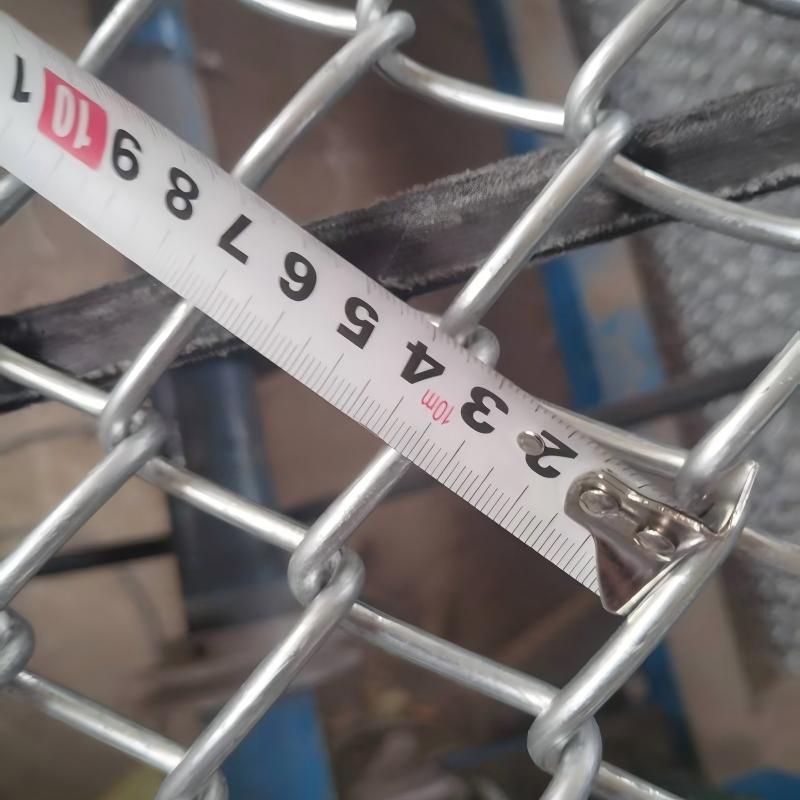
Chain link fence mesh size is the single most important specification when building an animal enclosure. Choose an opening that is too large, and small animals will escape—or predators will get in. Choose one that is too small, and you will waste money on unnecessary material while restricting airflow and visibility. Whether you need a […]
Chain link fence mesh size is the single most important specification when building an animal enclosure. Choose an opening that is too large, and small animals will escape—or predators will get in. Choose one that is too small, and you will waste money on unnecessary material while restricting airflow and visibility. Whether you need a chain link fence for animals on a farm, in a zoo, or at a wildlife rehabilitation center, this guide provides species-specific recommendations to ensure safety, durability, and compliance.
Many buyers focus only on fence height, but zoo fence mesh size and farm fence mesh size are what actually keep animals contained. A 3-meter-tall fence is useless if a chicken can squeeze through a 75mm opening. Likewise, a tiger can pull down a lightweight mesh if the wire gauge is too thin. The correct approach is to match the chain link fence mesh size to the animal’s body size, behavior, and strength—then select the appropriate wire gauge and height.
| Animal | Mesh Size (Aperture) | Wire Gauge | Fence Height | Key Consideration |
|---|---|---|---|---|
| Chickens / Poultry | 25–50mm (1–2″) | 12#–14# (2.0–2.5mm) | 1.5–2.0m | Keep chicks in; keep foxes out |
| Sheep / Goats | 50–75mm (2–3″) | 11#–12# (2.5–2.7mm) | 1.2–1.5m | Prevent head entrapment |
| Dogs / Kennels | 50–75mm | 11#–10# (2.7–3.4mm) | 1.8–2.4m | Add dig guards at base |
| Horses | 50–75mm | 10#–9# (3.2–3.8mm) | 1.5–1.8m | Visibility to prevent spooking |
| Pigs | 75–100mm (3–4″) | 10#–9# | 1.0–1.2m | Strong mesh resists pushing |
| Deer / Exotics | 75–100mm | 9#–8# (3.8–4.2mm) | 2.4–3.0m | Deer jump; height is critical |
| Monkeys / Primates | 25–50mm | 9#–8# | 3.0–4.0m | Climbing requires roof netting |
| Big Cats (Lions, Tigers) | 50–75mm | 6#–9# (4.0–5.0mm) | 3.5–5.0m | Tiger enclosure fence requires dig barriers and overhangs |
| Bears | 50–75mm | 6#–8# (4.2–5.0mm) | 3.5–4.5m | Extreme strength; concrete base recommended |
| Birds / Aviaries | 20–50mm | 12#–14# | 2.5–4.0m | Smaller mesh for small species |
While chain link fence mesh size determines whether an animal fits through the opening, wire gauge determines whether the animal can break the fence. For example, a chicken fence mesh size of 50mm is standard, but if you use thin 14-gauge wire in an area with coyotes, predators will tear through it. Always upgrade wire gauge for:
1. Using “one size fits all” mesh1.
A farm that houses both chickens and goats cannot use the same mesh for both. Goats need 50mm mesh to prevent head entrapment, while chickens need smaller 25–38mm mesh to prevent escape.
2. Ignoring the bottom 30cm2.
Predators dig. For animal enclosure fence projects, always specify a concrete curb, buried mesh apron, or dig-proof barrier extending at least 30cm below ground.
3. Forgetting about climb-over prevention3.
For primates and cats, chain link fence for animals must include an inward-facing overhang or electric wire at the top. Height alone is not enough.
Choosing the correct chain link fence mesh size is not guesswork—it is a matter of animal welfare, public safety, and long-term cost control. From 25mm mesh for poultry to 75mm heavy-gauge mesh for tiger enclosure fence projects, every species demands a tailored specification. If you are unsure which combination of mesh size, wire gauge, and fence height is right for your project, consult a specialist before ordering.
Request a free animal enclosure specification sheet today and get expert guidance on mesh size, post spacing, and installation layout for your farm, zoo, or wildlife park.