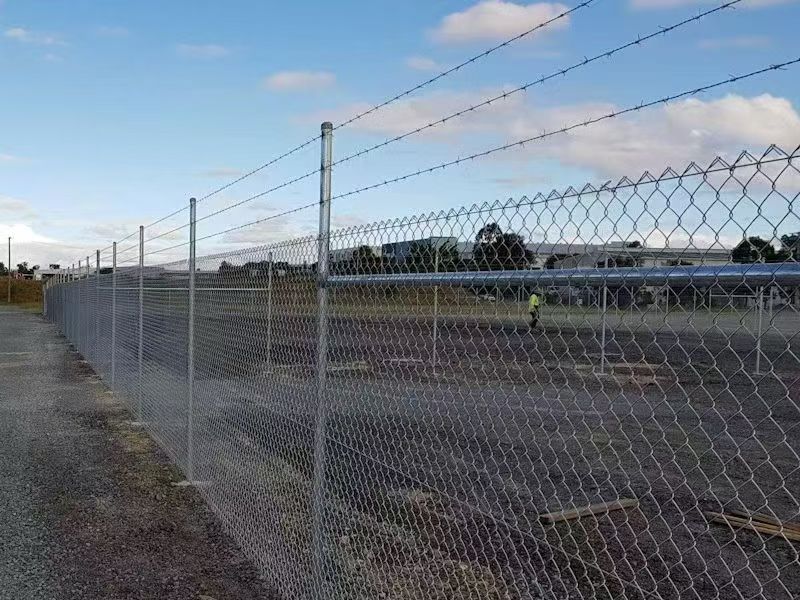
Chain link fence post spacing is one of the most critical decisions you will make during installation. Get it wrong, and your fence will sag, lean, or collapse within months. Get it right, and your chain link fence will stand strong for decades. Whether you are fencing a residential backyard, a commercial property, or an […]
Chain link fence post spacing is one of the most critical decisions you will make during installation. Get it wrong, and your fence will sag, lean, or collapse within months. Get it right, and your chain link fence will stand strong for decades. Whether you are fencing a residential backyard, a commercial property, or an industrial site, understanding how far apart fence posts should be is the foundation of a successful project.
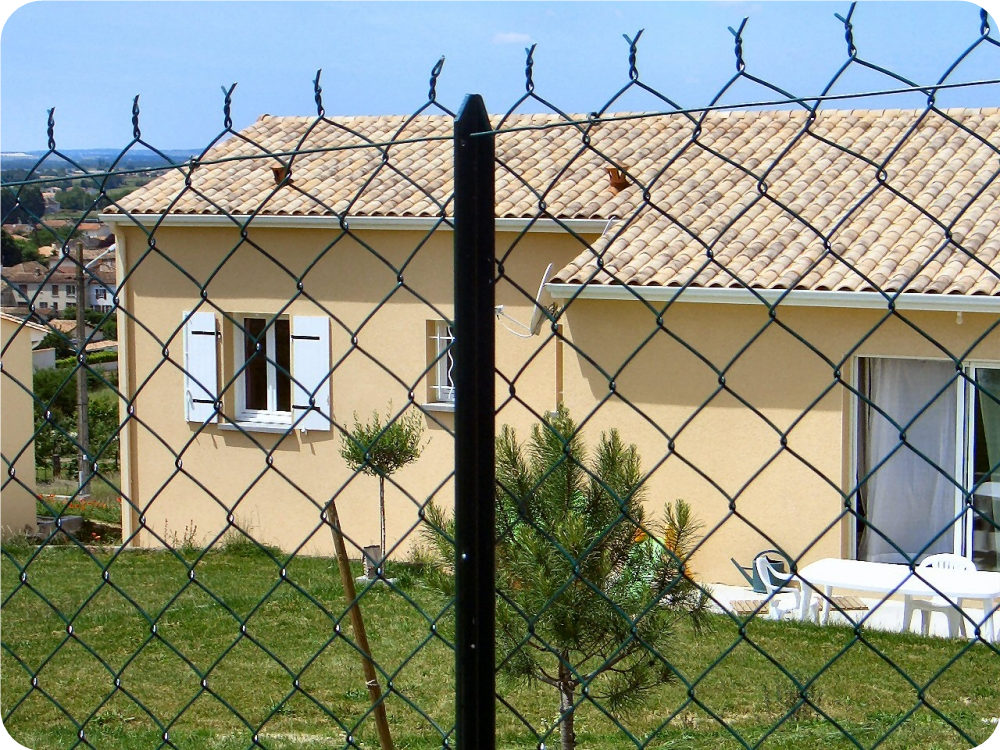
Many buyers and installers underestimate the importance of fence post spacing. The posts carry the entire tension of the chain link mesh, top rail, and tension wire. If posts are placed too far apart, the mesh will sag between posts, the top rail will bend under its own weight, and the entire structure becomes vulnerable to wind damage. If posts are placed too close together, you waste material and labor costs without gaining meaningful structural benefit.
For most standard chain link fence installations, the industry-accepted post spacing is 8 to 10 feet (approximately 2.4 to 3.0 meters) between line posts. This range provides the optimal balance between material cost and structural integrity for fences up to 6 feet (1.8 meters) in height.
A fence post spacing calculator is not a one-size-fits-all tool. Several variables will force you to adjust your spacing:
1. Fence Height
Taller fences catch more wind and exert greater leverage on the posts. For fences over 6 feet (1.8m), reduce spacing to 6 to 8 feet (1.8 to 2.4m). For security fences reaching 8 to 12 feet (2.4 to 3.6m), 6 feet is the safest standard.
2. Mesh Gauge and Wire Thickness
Heavy-duty chain link mesh (6 gauge or 9 gauge) weighs significantly more than standard 11.5 gauge mesh. The added weight requires closer post spacing to prevent sagging. Use 8 feet for heavy mesh instead of 10 feet.
3. Wind Load and Climate
In coastal or open plain regions where wind speeds regularly exceed 60 mph (100 km/h), post spacing should never exceed 8 feet. Additionally, consider using thicker wall posts (e.g., Schedule 40 instead of Schedule 20) and concrete footings at least 3 feet deep.
4. Soil Type
Sandy or loose soil offers poor anchoring. If you cannot achieve a solid concrete footing, reduce post spacing to 6 to 8 feet to distribute the load across more posts. In rocky or clay soil, standard spacing is usually sufficient.
5. Gate and Corner Posts
Gate posts and corner posts are structural anchors, not line posts. They should be set in concrete and spaced independently. The first line post after a corner or gate should be placed no more than 4 to 6 feet from the anchor post to maintain tension.
For a quick fence post spacing calculator, use this formula:
Total Fence Length ÷ Desired Post Spacing = Number of Line Posts Needed
Example: A 100-foot fence line with 10-foot post spacing requires 10 line posts, plus 2 terminal/corner posts.示例:100英尺的围栏线,按10英尺间距计算需要10根中间立柱,外加2根端部/转角立柱。
Always round up and add 1 extra post for safety. It is far cheaper to have one spare post than to reorder a single post with freight charges.
Chain link fence post spacing is not a guess—it is a calculated engineering decision. By using a proper fence post spacing calculator approach and adjusting for height, mesh weight, wind, and soil conditions, you ensure that your fence delivers the security and durability you paid for. If you are unsure about your specific project conditions, consult your supplier before ordering.
Ready to order? Contact us today